

Start Selling with LaunchMyStore Today
Start your online business today and get everything you need to build, manage, and grow your online store.


Ecommerce Packaging: Unboxing Ideas That Win Repeat Sales
 Sophie Andersson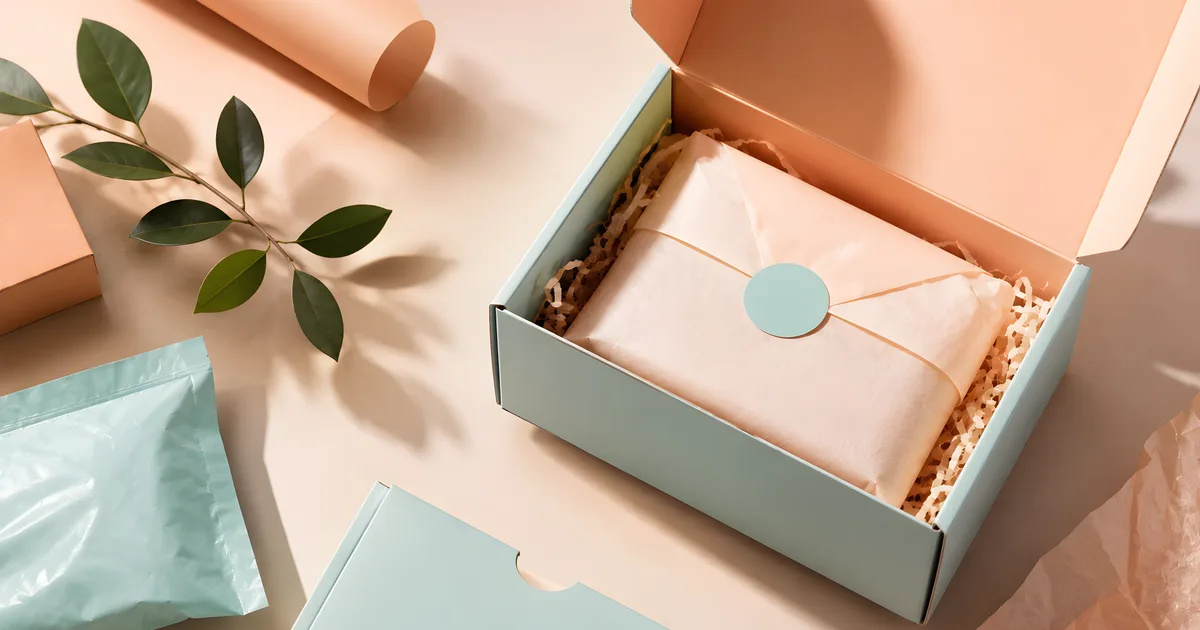
Start your online business today.
For free.
Start for free72% of consumers say packaging design influences their purchase decisions (Dotcom Distribution, 2025), and 40% share unboxing experiences on social media. Great packaging transforms a transactional delivery into a brand moment that drives repeat purchases, social sharing, and customer loyalty. This guide covers packaging design principles, material selection, cost optimization, sustainable options, and the psychology behind why unboxing drives a 26% increase in repurchase rates.
- 72% of consumers say packaging design influences purchase decisions, and 61% say premium packaging makes them more likely to buy again (Dotcom Distribution).
- Custom packaging drives a 26% increase in repeat purchases, a 15% drop in returns, and a 40% rise in social media mentions (Shorr).
- Packaging inserts have a 95% open rate versus 20% for email, making thank-you cards and QR codes high-impact marketing channels.
- 40% of consumers share unboxing experiences on social media, rising to 55% among millennials and Gen Z, generating free brand reach.
- The three highest-ROI upgrades are branded tape, tissue with a sticker seal, and a thank-you card — together under $0.50 per order.
Why Packaging Design Is Your Most Underutilized Marketing Channel
In ecommerce, packaging is often treated as a logistics cost rather than a marketing investment. This is a strategic mistake. According to Dotcom Distribution (2025), 72% of consumers say packaging design influences their purchase decisions, and 61% say premium packaging makes them more likely to purchase from the same brand again. Your packaging is the only physical touchpoint you have with your customer — it is your handshake, your storefront, and your first impression all wrapped into one.
The unboxing phenomenon has exploded in recent years. YouTube unboxing videos generate over 20 billion views annually (Google, 2025), and the hashtag #unboxing has accumulated over 85 billion views on TikTok alone (TikTok Trends, 2025). When a customer films themselves opening your package, they are creating free advertising that reaches their entire network. The question is whether your packaging is worthy of that exposure.
The Psychology of Unboxing
Unboxing triggers a dopamine response similar to opening a gift. Neuroscience research from the University of Southern California (2024) found that the anticipation and reveal involved in opening a package activates the brain’s reward center, creating a positive emotional association with the brand. This emotional peak is the most powerful moment in the entire customer journey for creating lasting brand impressions.
According to a study published in the Journal of Consumer Psychology (2024), customers who have a positive unboxing experience are 3.5 times more likely to recommend the brand to friends and family. The tactile, multisensory nature of unboxing — the texture of the box, the sound of tissue paper, the visual reveal of the product — creates memories that digital-only interactions simply cannot match.
Packaging’s Impact on Key Business Metrics
The ROI of premium packaging is measurable and significant. According to Shorr Packaging (2025), ecommerce brands that invest in custom packaging see a 26% increase in repeat purchase rates, a 15% reduction in return rates (because perceived product quality increases), and a 40% increase in social media mentions. When you factor in the lifetime value of a repeat customer, the incremental cost of custom packaging typically pays for itself within 2–3 orders.
Impact of Packaging Quality on Repurchase Rate
Source: Shorr Packaging Corp Ecommerce Packaging Study, 2025
Packaging Design Principles for Ecommerce
Effective ecommerce packaging balances aesthetics, functionality, cost, and sustainability. The following principles guide the design process from concept to production.
Start with Your Brand Identity
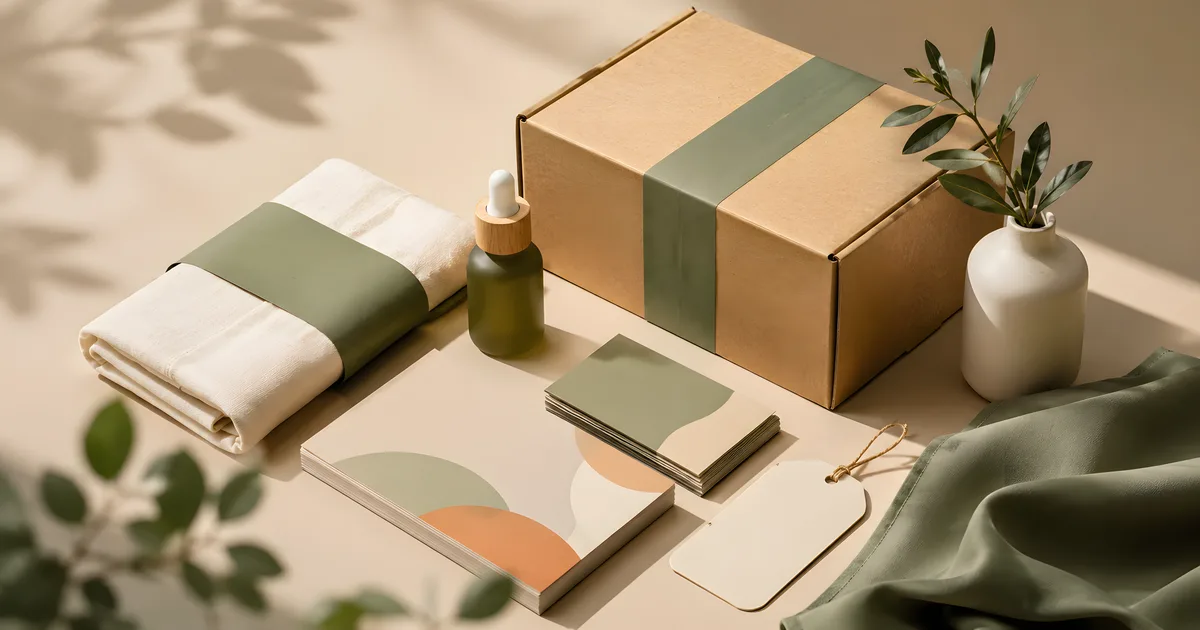
Your packaging should be an extension of your brand, not an afterthought. Define your brand personality (luxury, playful, minimalist, eco-conscious, bold) and translate it into packaging decisions. A luxury skincare brand uses matte black boxes with gold foil accents. A playful children’s toy brand uses bright colors and interactive designs. A sustainable brand uses kraft paper with seed-paper inserts. Every element — color, material, typography, and texture — should reinforce your brand story.
Design for the Reveal
The unboxing sequence matters as much as the individual elements. Think of it as a three-act story:
- Act 1 — The exterior: The outer box or mailer sets expectations. Branded tape, custom print, or a simple sticker transforms a generic box into a branded experience before it is even opened.
- Act 2 — The reveal: Opening the box should feel intentional. Tissue paper, a personalized note on top, or a branded dust bag creates a moment of anticipation before the product is revealed.
- Act 3 — The product: The product itself should be presented, not just packed. Proper fitting, cushioning, and arrangement ensure the product looks as good in the box as it does on your website.
Functional Requirements
- Protection: The primary function of packaging is protecting the product. Use appropriate cushioning (bubble wrap, air pillows, molded pulp) to prevent damage during shipping. According to UPS (2025), 11% of ecommerce packages arrive damaged, costing brands an average of $18 per damaged shipment in returns, replacements, and customer service.
- Right-sizing: Oversized boxes waste shipping costs and frustrate customers. Use the smallest box that safely fits the product with appropriate cushioning. Right-sizing reduces dimensional weight charges and material costs.
- Easy opening: Include tear strips, pull tabs, or perforations. Nothing kills an unboxing experience faster than struggling with excessive tape or staples.
- Reusability: Design packaging that customers want to keep. Magnetic closure boxes, decorative tins, and high-quality bags are often reused, keeping your brand visible in the customer’s home.
Pro Tip: Include a QR code on the inside of your packaging that links to a “Thank You” landing page with a discount code for their next order, product care instructions, and a gentle prompt to share their unboxing on social media with your branded hashtag. This single insert can drive repeat purchases and user-generated content simultaneously.
Packaging Materials: Cost, Sustainability, and Premium Feel
Choosing the right materials is a balancing act between cost, environmental impact, and the tactile experience you want to create. According to Trivium Packaging (2025), 74% of consumers say they are willing to pay more for sustainable packaging, but they also expect it to look and feel premium.
| Material | Cost per Unit | Eco Rating | Premium Feel | Best For |
|---|---|---|---|---|
| Plain corrugated cardboard | $0.50–$1.50 | High (recyclable) | Low | Budget-conscious stores |
| Custom printed mailer box | $1.50–$4.00 | High (recyclable) | Medium | Most ecommerce brands |
| Rigid gift box | $3.00–$8.00 | Medium | High | Luxury and premium brands |
| Kraft paper with custom stamp | $0.30–$1.00 | Very High | Medium | Eco-conscious brands |
| Poly mailer (recycled) | $0.15–$0.50 | Medium | Low | Soft goods, clothing |
| Compostable mailer | $0.40–$1.20 | Very High | Medium | Sustainability-focused brands |
| Magnetic closure box | $5.00–$15.00 | Low–Medium | Very High | High-ticket items, gifts |
| Molded pulp (mushroom/fiber) | $1.00–$3.00 | Very High | Medium–High | Tech, fragile products |
Sustainable Packaging That Does Not Compromise Experience
Sustainability and premium experience are not mutually exclusive. Brands like Allbirds, Patagonia, and Who Gives A Crap have proven that eco-friendly packaging can be just as memorable as luxury packaging. Key sustainable packaging strategies include:
- Mono-material design: Use a single recyclable material (e.g., all cardboard) rather than mixing materials that are difficult to separate for recycling.
- Soy-based inks: Replace petroleum-based printing inks with soy or vegetable-based alternatives that are biodegradable.
- Seed paper inserts: Replace plastic inserts with plantable seed paper cards. Customers can plant the card to grow wildflowers — a delightful brand moment that reinforces your sustainability commitment.
- Right-sized packaging: Eliminate void fill by designing boxes that fit your products precisely. This reduces material waste and shipping emissions.
- Compostable mailers: Brands like noissue and EcoEnclose offer compostable poly mailer alternatives made from cornstarch and PBAT that break down within 180 days.
Packaging Inserts That Drive Revenue
The items you place inside your packaging — beyond the product itself — represent low-cost, high-impact marketing opportunities. According to Retention Science (2025), packaging inserts have a 95% open rate (compared to 20% for email), making them one of the most effective marketing channels available.
Types of Packaging Inserts
- Thank you card with discount code: A handwritten-style thank you card with a 10–15% discount code for the next purchase drives immediate repeat orders. Include a unique code to track attribution.
- Product care instructions: A branded card explaining how to care for, use, or style the product reduces returns and increases perceived value.
- Cross-sell catalog: A mini lookbook or product card showcasing complementary products encourages additional purchases.
- Review request card: A simple card asking the customer to leave a review, with a QR code linking directly to the review page, increases review volume by 30–40% (Yotpo, 2025).
- Social sharing prompt: A card with your branded hashtag and social handles, encouraging customers to share their unboxing for a chance to be featured on your page.
- Stickers and small gifts: Branded stickers, samples, or small freebies create surprise and delight. The cost is pennies, but the goodwill is priceless.
Personalization at Scale
Handwritten notes do not scale, but the feeling of personalization does. Use variable data printing to include the customer’s first name on thank you cards. Segment insert types by customer behavior: first-time buyers get a welcome card with a loyalty program invitation, while repeat buyers get a VIP discount card. According to Epsilon (2025), personalized packaging inserts increase repeat purchase rates by 18% compared to generic inserts.
Social Sharing Triggers: Designing for the Camera
If you want customers to share their unboxing on social media, you need to design for the camera. According to Dotcom Distribution (2025), 40% of consumers share unboxing experiences on social media, and that number rises to 55% for millennials and Gen Z. This user-generated content is extraordinarily valuable: it carries authentic social proof and reaches audiences your paid advertising cannot.
Visual Design for Social Sharing
- High-contrast colors: Bold colors photograph well and stand out in social media feeds. Avoid muted tones that blend into backgrounds.
- Instagram-worthy interiors: The inside of your box matters as much as the outside for social sharing. Use colored tissue paper, printed box interiors, or branded crinkle cut paper to create a visually appealing reveal.
- Branded moment: Include one visually distinctive element that becomes your brand’s visual signature — a specific pattern, a unique closing mechanism, or a signature color combination.
- Flat-lay friendly: Design packaging that looks good from above, as flat-lay photography is the dominant style for product unboxing content on Instagram and Pinterest.
Pro Tip: Create a branded unboxing hashtag and include it prominently inside your packaging. Monitor the hashtag weekly and repost the best content to your brand’s social accounts (with permission). This creates a virtuous cycle: customers share, you amplify, other customers see it and are inspired to share their own experience.
Cost Optimization: Premium Packaging on a Budget
You do not need a massive budget to create memorable packaging. Many of the most effective unboxing experiences rely on thoughtful design rather than expensive materials. Here are strategies to maximize impact while minimizing cost:
Tiered Packaging Strategy
Not every order needs premium packaging. Implement a tiered approach based on order value:
- Orders under $30: Branded poly mailer or custom-stamped kraft mailer with a thank you sticker and insert card. Cost: $0.50–$1.50 per order.
- Orders $30–$100: Custom printed mailer box with tissue paper, thank you card, and one additional insert. Cost: $2.00–$4.00 per order.
- Orders over $100: Premium rigid box with magnetic closure, branded tissue, ribbon, personalized note, and a small gift or sample. Cost: $5.00–$12.00 per order.
Volume Ordering and Supplier Negotiation
Custom packaging costs decrease dramatically at scale. A custom printed mailer box that costs $4.00 at quantities of 100 might cost $1.50 at quantities of 5,000. Negotiate with multiple suppliers (Packlane, Arka, noissue, and Packhelp are popular options) and order in bulk during off-peak seasons for additional savings. According to Packlane (2025), ordering during Q1 (January–March) yields 10–15% lower prices than Q4 peak season.
Branded Tape, Tissue, and Small Details That Matter
Often it is the smallest details that create the biggest impression. Custom branded tape costs as little as $0.02 per foot at scale but instantly transforms a plain cardboard box into a branded package. Printed tissue paper costs $0.05–$0.15 per sheet and adds a layer of anticipation to the reveal. Custom stickers cost $0.03–$0.10 each and serve double duty as both packaging seals and shareable brand ambassadors when customers stick them on laptops, water bottles, and phone cases.
According to Packhelp (2025), the three most cost-effective packaging upgrades (measured by customer satisfaction lift per dollar spent) are: branded tape (highest ROI), tissue paper with a sticker seal, and a personalized thank you card. Together, these three elements add less than $0.50 to your per-order packaging cost but create a dramatically more memorable experience.
Frequently Asked Questions
How much should I budget for ecommerce packaging?
Most successful ecommerce brands allocate 5–15% of product price to packaging. For a $50 product, that means $2.50–$7.50 per order for packaging materials. Start with high-impact, low-cost elements (branded tape, custom stickers, insert cards) and upgrade to custom boxes as your volume increases and unit costs decrease.
What is the minimum order quantity for custom packaging?
Minimums vary by supplier. Packlane and Arka offer custom printed boxes starting at 10–30 units (at higher per-unit costs). Noissue offers custom tissue paper starting at 250 sheets. For competitive pricing, most suppliers offer best rates at 1,000+ units. Start small to test designs, then scale up once you have validated what resonates with customers.
Does sustainable packaging cost more than traditional packaging?
Not necessarily. Plain kraft boxes are often cheaper than white or colored alternatives. Compostable mailers cost 15–30% more than standard poly mailers, but the sustainability messaging can justify premium pricing on products. According to McKinsey (2025), 66% of consumers and 75% of millennial consumers are willing to pay more for sustainable brands.
How do I measure the ROI of packaging upgrades?
Track three metrics: repeat purchase rate (compare before and after the packaging upgrade), social media mentions (monitor your branded hashtag), and review quality (look for mentions of packaging in customer reviews). Use unique discount codes in packaging inserts to track direct revenue attribution. Most brands see measurable improvements within 60–90 days of upgrading their packaging.
Should I include a return label in my packaging?
Including a pre-printed return label simplifies the return process and increases customer satisfaction, but it also slightly increases return rates. A balanced approach is to provide easy return instructions with a QR code that generates a label on demand, rather than including a physical label. This reduces waste while maintaining convenience. According to Narvar (2025), easy returns increase customer lifetime value by 22%, so the trade-off is generally worth it.
How do I design packaging for fragile products?
Start with a snug-fitting inner structure (molded pulp, foam inserts, or corrugated dividers) that prevents product movement. Use double-walled corrugated boxes for heavy or highly fragile items. Add “Fragile” labels and “This Side Up” arrows. Test your packaging by shipping samples to yourself and checking for damage. The cost of protective packaging is always less than the cost of damaged product replacements and negative reviews.
Conclusion: Packaging Is Your Brand’s Physical Handshake
In a world where most customer interactions are digital, your packaging is the rare physical touchpoint that creates lasting impressions. A memorable unboxing experience drives a 26% increase in repeat purchases, generates free social media exposure through customer-created content, and builds emotional brand loyalty that competitors cannot easily replicate. You do not need a luxury budget to create premium-feeling packaging — thoughtful design, strategic material choices, and small personalized touches can transform a plain delivery into a brand experience. Start with branded tape, a thank you card, and tissue paper. As your store grows, invest in custom boxes, tiered packaging strategies, and sustainable materials. With LaunchMyStore, integrating personalized packaging inserts and order-based packaging tiers is straightforward. Make every delivery a moment worth sharing.
Written by
Sophie Andersson
Brand Design Consultant at LaunchMyStore. Helping online businesses scale with data-driven strategies and the latest ecommerce best practices.
 Keep Reading